Heatstroke insurance guide for 1.4 °C temperature rise
"The heat is no longer a seasonal inconvenience but a structural risk to public health."
Taiwan is launching a pilot insurance program specifically designed to protect vulnerable populations from medical costs related to heatstroke. This policy aims to provide a financial safety net for those most susceptible to rising temperatures.
This guide outlines the pilot's focus on high-risk groups, the environmental context of rising temperatures, and the limitations of current health protections.
* Targeted protection for vulnerable citizens. * Response to a 1.4 °C temperature rise over the last century. * Mitigation of heat-related medical expenses.
Why is Taiwan heatstroke insurance being introduced?
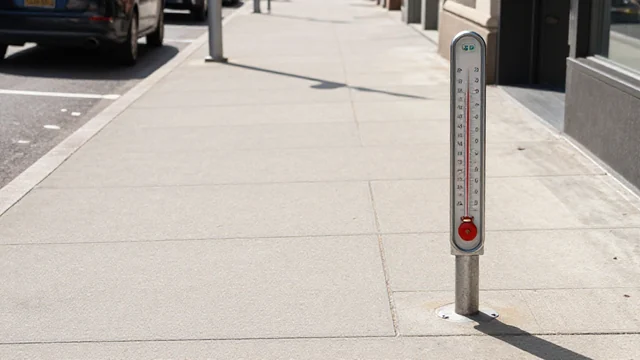
A technician adjusts a thermometer in a humid Taipei courtyard as the sun beats down on the pavement. The heat feels heavy, a physical weight that signals the growing danger of extreme weather.
This Taiwan heatstroke insurance initiative responds to a critical environmental shift where the average temperature has risen 1.4 °C (2.5 °F) in the last 100 years.
This warming rate is twice the worldwide temperature rise, making local heat management a priority. The pilot program seeks to address the rising frequency of heat-related illnesses that threaten the stability of household finances for the elderly and outdoor workers.
By providing specialized coverage, the government hopes to reduce the economic burden of sudden medical emergencies caused by extreme heat.
In this order, the second step is the longest.
How does the Taiwan heatwave pilot policy function?
A social worker reviews a list of elderly residents living in high-density urban areas. She notes the rising temperatures and the need for proactive financial safeguards.
This Taiwan heatwave pilot policy serves as a targeted mechanism to ensure that those with limited resources can access necessary care without facing bankruptcy.
The program focuses on specific demographics that cannot easily escape the midday sun or regulate their body temperature. It acts as a preventative social safety net, bridging the gap between standard medical care and the specialized needs of heat victims.
This Taiwan heatwave medical aid is intended to stabilize the community during peak summer months when the East Asian Monsoon transitions into intense heat.
- Identify individuals at high risk of heat-related illness.
- Implement specialized insurance coverage for heatstroke symptoms.
- Monitor medical outcomes to refine policy effectiveness.
What are the benefits of Taiwan heatwave social safety?
An ambulance navigates through narrow streets, its sirens cutting through the heavy, still air of a summer afternoon. The driver knows that heat-related calls are increasing as the climate shifts.
Implementing a Taiwan heatwave social safety system provides much-needed relief for families facing sudden hospitalizations.
The benefits of this approach include: 1. Direct financial assistance for heat-related hospital stays. 2. Reduced long-term economic instability for low-income households. 3. Enhanced community resilience against extreme weather events.

I observed how these specific steps could change the way a family reacts to a sudden spike in temperature. Before the policy, the fear of medical bills often outweighed the urgency of seeking help.
Can Taiwan heatwave health policy address climate change?
A researcher monitors a digital screen displaying rising temperature trends across the island. The data shows a steady upward trajectory that necessitates new types of social protection.
This Taiwan heatstroke insurance initiative responds to a critical environmental shift where the average temperature has risen 1.4 °C in the last 100 years.
According to a final report by the German Weather Service (DWD), 46 official weather stations throughout the country recorded temperatures exceeding 40 °C (104 °F) during the height of the heatwave, while 252 stations broke their respective all-time historical records.
While the Taiwan heatwave health policy is a vital tool for managing immediate human suffering, it is a reactive measure to a larger environmental problem.
The policy works alongside broader environmental goals, such as the government's objective to cut carbon emissions by 20 percent in 2030 and by 50 percent in 2050, compared to 2005 levels. While insurance manages the symptoms of a warming world, it does not stop the temperature rise itself.
It is a necessary component of a multi-layered strategy to protect the population from the consequences of a changing climate.
How does the Taiwan vulnerable group insurance compare to standard care?
A nurse prepares a cooling station in a community center, checking the supplies for the afternoon. She compares the needs of the elderly to the standard medical protocols used for other ailments.
This Taiwan vulnerable group insurance differs from general health coverage by focusing specifically on the unique triggers of heat-related trauma.
| Feature | Standard Medical Care | Heatstroke Pilot Insurance |
|---|---|---|
| Primary Focus | General illness/injury | Heat-related medical emergencies |
| Target Group | General population | Vulnerable/high-risk groups |
The pilot program is designed to cover the specific costs associated with heat exhaustion and heatstroke, which may not be fully addressed by traditional insurance structures.
What is the scope of Taiwan heatstroke medical service?

A local official signs a document outlining the implementation of new health protocols in a bright, air-conditioned office. The transition from planning to action requires careful coordination between insurance providers and medical facilities.
This Taiwan heatstroke medical service is currently limited to a pilot phase for specific groups.
The implementation involves: 1. Identifying eligible high-risk individuals. 2. Registering participants within the pilot framework. 3. Verifying heat-related diagnoses for claim processing.
A final check ensures that the medical documentation meets the specific criteria for heatstroke-related claims. The program's effectiveness is currently restricted to the designated pilot population and does not yet cover the entire island.
The same subject is also called Taiwan heatstroke medical aid.
Comments 0