13% growth: Why Taiwan remains the world's chip powerhouse
How Taiwan’s semiconductor giants are powering the global AI revolution, cementing its status as the world's indispensable chip powerhouse.
Taiwan holds a critical, dominant position in the global supply chain, particularly in advanced and mature-node chip manufacturing. The industry is heavily supported by government incentives and massive private investment.
Taiwanese chipmakers are the backbone of modern AI, supplying core components to global tech leaders like Nvidia and AMD. Despite its dominance, the industry faces significant challenges related to resource consumption and escalating cyber threats.
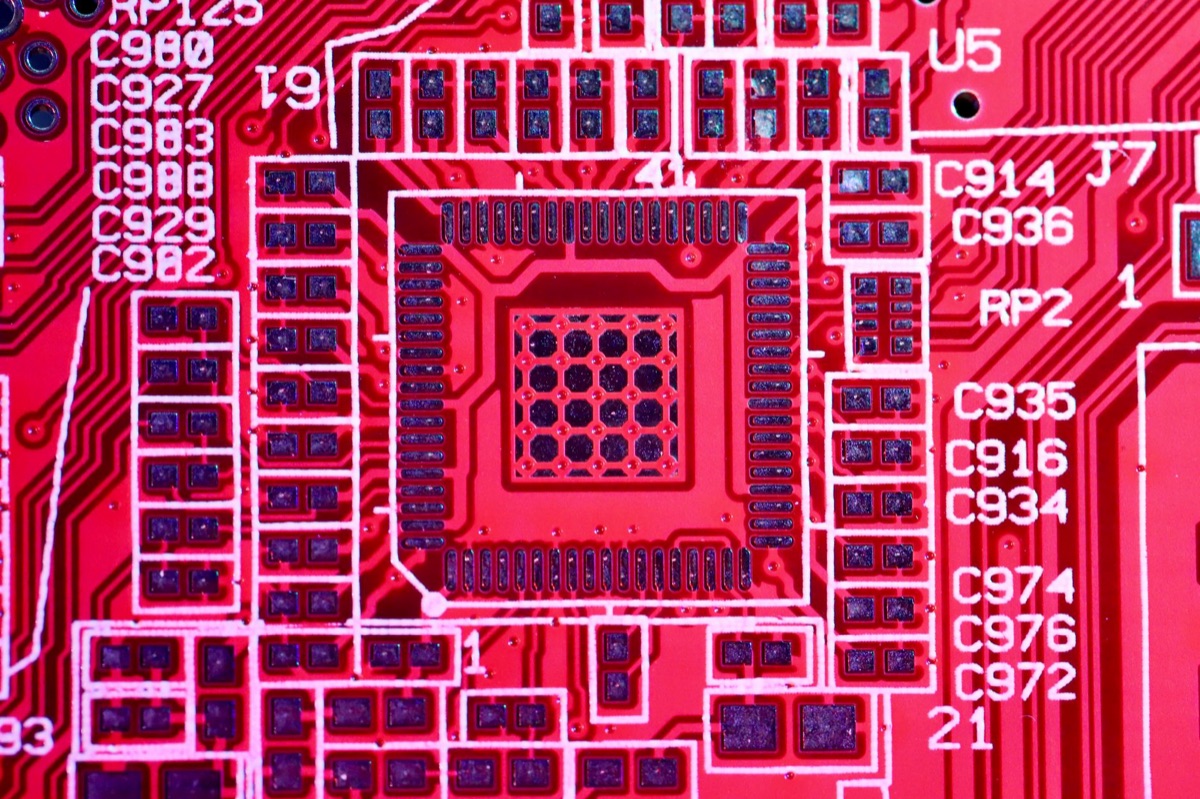
Establishing Dominance: How Did Taiwan Become the Global Chip Leader?
The heavy hum of cleanroom fans fills the air as engineers in specialized suits move with surgical precision. This quiet, controlled environment is where the world's digital future is etched onto silicon wafers.
Taiwan’s ascent to the throne of the global semiconductor industry was not an accident of fate but a calculated masterpiece of industrial policy and sheer technical will. By the turn of the decade, the island had established itself as the undisputed center of the technological universe.
The sheer scale of the market was already staggering; in s way back in 2021, the sales of semiconductors reached a record $555.9 billion, which was an increase of 26.2% from the previous year, according to the Semiconductor Industry Association.
This massive growth provided the capital necessary to build the most advanced fabrication plants on Earth. While the global market fluctuated, the sheer volume of production kept the momentum moving forward.
The sheer scale of the industry meant that even as different nations attempted to catch up, the sheer density of expertise in Taiwan remained a formidable barrier to entry.

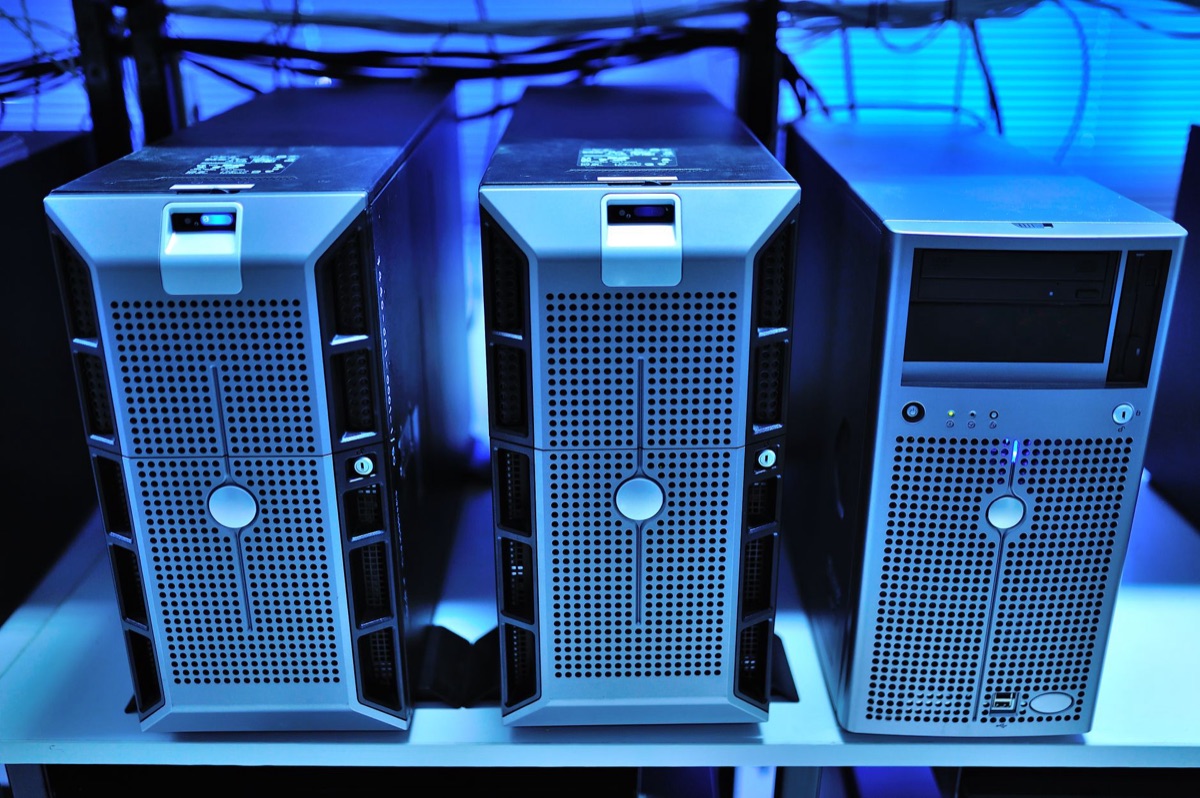
Will the AI revolution power our next great leap? A server farm in a distant desert whirs to life, processing trillions of calculations per second to train a new language model. These massive machines rely on the specialized chips produced in the high-tech hubs of Hsinchu.
The sudden surge in artificial intelligence has transformed the semiconductor landscape from a consumer-driven market to an infrastructure-driven one. Modern AI requires specialized chips that can handle massive parallel processing, a task where Taiwanese manufacturers excel.
The industry's historical growth has been significant, as the current 20-year annual average growth of the semiconductor industry is on the order of 13%.
However, this growth has not been without its turbulence. This upward trend has been accompanied by above-average market volatility, which can lead to significant and dramatic cyclical swings in the economy.
Despite these swings, the demand for AI-capable silicon has created a new, more stable baseline for the industry's expansion.
The sheer scale of the industry meant that even as different nations attempted to catchs up, the sheer density of expertise in Taiwan remained a formidable barrier to entry.
How do I navigate the digital battlefield? A security analyst stares at a monitor where red lines pulse rhythmly, indicating a sudden surge in unauthorized access attempts. The quiet office feels heavy with the tension of a silent, invisible war.
As the world's most vital chip-making hub, Taiwan faces unique geopolitical and digital risks that other nations can only imagine. The sheer importance of its output makes it a prime target for state-sponsored actors and hackers.
According to Taiwan's Ministry of Justice Investigation Bureau (MJIB), there were over 2.4 million cyber intrusion attempts per day in 2024, which was double the volume recorded in 2023.
This constant pressure requires a layered defense of both physical security and advanced cybersecurity protocols. Protecting the intellectual property of chip designs is as critical as protecting the physical wafers themselves.
The struggle to maintain technological sovereignty while under constant digital siege is the new reality for the industry.
| Feature | Traditional Manufacturing | AI-Driven Manufacturing |
|---|---|---|
| Primary Goal | Volume and cost-efficiency | Precision and processing power |
| Main Driver | Consumer electronics | Data centers and AI models |
| Complexity | High | Extremely High |
| Supply Chain Role | Commodity-based | Strategic-based |
Global Competition: The Great Subsidies Race
A government official signs a heavy stack of documents, authorizing billions of dollars to jumpstart local manufacturing plants. The ink dries on a new era of industrial competition.
As Taiwan's dominance became clear, other nations began aggressive maneuvers to secure their own technological futures. The competition is no longer just about who has the best engineers, but who has the largest government-backed budget.
For example, the Union Cabinet in India approved a successor programme, Semicon 2.0, in July 2026 with a total budget outlay of ₹127,500 crore (US$13 billion).
This global race to build domestic chip-making capabilities is reshaping the global economy. While Taiwan remains the leader, the sheer volume of capital being injected into the US, Europe, and India creates a complex web of dependencies.
The industry is learning to balance the advantages of a concentrated hub with the risks of a single-source supply chain.
The Human Element: Engineering the Future
I remember standing near the edge of a massive cleanroom observation window, looking down at the tiny, intricate patterns of a wafer. It felt like looking at the DNA of the modern world, something so small yet so heavy with consequence.
The sheer talent pool within the Taiwanese ecosystem is perhaps its greatest unquantifiable asset. It is not just about the machines; its about the generations of engineers who have refined the process of lithography and etching to a science.
This collective intelligence is what makes the jump from 5nm to 3nm and beyond possible.
However, the industry faces the challenge of sustaining this talent as the work becomes increasingly complex. The sheer mental load of managing the world's most advanced manufacturing processes requires a level of precision that few other industries demand.
| Aspect | Impact of AI on Supply Chain |
|---|---|
| Demand | Exploded due to LLMs and generative AI |
| Manufacturing | Shift toward specialized, high-end nodes |
| Logistics | Increased focus on secure, sovereign routes |

The Road Ahead: Sustainability and Scalability
A heavy rain falls over a massive industrial park, where the cooling systems of the factories work tirelessly to manage the heat of production. The sheer energy required to keep the machines running is immense.
As the industry scales to meet AI's hunger, the environmental cost becomes a central topic of debate. The energy-intensive nature of advanced chip fabrication requires massive amounts of electricity and water.
Balancing the technological leap with global sustainability goals is the next great hurdle.
The industry must find ways to make the manufacturing process more efficient without sacrificing the precision required for the next generation of chips.
The transition to greener energy sources and more efficient cooling technologies will be the deciding factor in the long-term viability of these massive fabrication plants.
Related




Comments 0