What are the specific naming challenges in global forums?
"The identity of a nation is often caught between the technical precision of its industries and the complex social definitions of its people."
The Taiwan Semicon 2026 controversy focuses on how the island's technological prominence interacts with its unique political and social identity.
Although the semiconductor industry thrives through international cooperation, debates continue regarding the island's official designations in global forums and its relationship with neighboring powers.
Key takeaways include the tension between economic participation and political recognition, the use of specific names in international organizations, and the historical complexities of local identity.
How does the Taiwan Semicon 2026 controversy impact local identity?
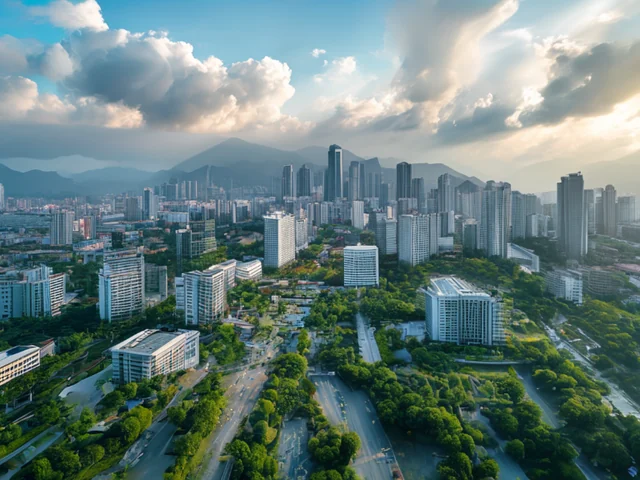
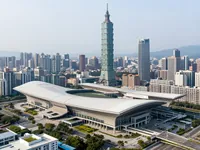
Walking through the bustling halls of the Taipei Nangang Exhibition Center, one feels the heavy weight of global expectation. The air is thick with the hum of microelectronics manufacturing and the fast-paced discussions of packaging and testing technologies.
This industry prominence often clashes with the social reality of how the island is perceived on the world stage.
The Taiwan Semicon 2026 controversy highlights a deep-seated social issue where technological success meets political ambiguity. As the industry grows, the Taiwan Semicon 2026 identity becomes a focal point for discussions regarding sovereignty and international standing.
This Taiwan Semicon 2026 debate reflects the internal struggle to balance economic leadership with a clear sense of self.
The social landscape is complicated by historical data regarding the population. Roughly 84 percent of Taiwan's population are descendants of Han Chinese immigrants between 1683 and 1895.
This demographic reality feeds into the ongoing Taiwan Semicon 2026 social issue, where the local outcry often stems from the gap between economic reality and political recognition.
What are the specific naming challenges in global forums?
A technician adjusts a precision instrument under the bright lights of a seminar room, focusing on the intricacies of semiconductor device fabrication. Outside, the discussions shift from silicon interposers to the names used to represent the region in international treaties.
These naming conventions are not merely administrative; they are deeply symbolic.
The island faces unique challenges when participating in global organizations.
For instance, the ROC participates in the Asia-Pacific Economic Cooperation forum since 1991 under the name "Chinese Taipei." Additionally, it has been a member of the World Trade Organization since 2002 under the name "Separate Customs Territory of Taiwan, Penghu, Kinmen and Matsu."
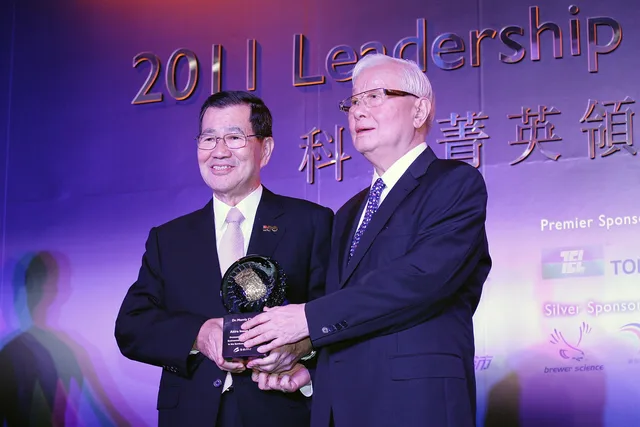
These designations are a direct result of the political landscape. The Taiwan Semicon 2026 identity is often shaped by these specific labels used in trade and diplomacy. Navigating these names is a constant necessity for businesses participating in the global supply chain.
How is international participation managed?
A diplomat sits across a table in a quiet office, reviewing documents that facilitate communication between different sides. The exchange of information is not handled by governments directly, but through specific, established channels.
This structured approach is vital for maintaining stability amidst political tension.
Exchanges are conducted through private organizations both founded in 1991. These include the Straits Exchange Foundation (SEF) of Taiwan and the Association for Relations Across the Taiwan Straits (ARATS) of the PRC.
This system allows for functional communication even when official diplomatic ties are absent.
This method of engagement is a practical response to the island's status. While the industry engages with the world through high-tech exhibitions, the political side relies on these private entities.
I have seen how these specialized organizations provide a necessary buffer during times of heightened debate.
What are the technical advancements in the industry?
An engineer examines a silicon substrate, checking the dimensions to ensure it meets the strict requirements for 2.5D packaging. The focus is entirely on the physical properties of the material, moving away from the social debates outside the lab.
The technical requirements drive the pace of the entire sector.
The industry is currently seeing significant growth in specific packaging demands. For example, HANMI Semiconductor has built an equipment lineup that supports silicon interposers and substrates in various sizes up to 350 mm × 350 mm.
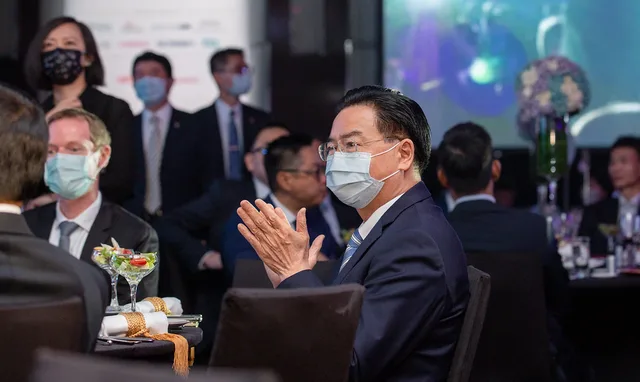
This equipment is specifically tailored to customer needs as 2.5D packaging demand grows.
The ability to handle these large-scale substrates is a critical component of modern microelectronics. This technical capability ensures that the region remains a central hub for semiconductor manufacturing.
The precision required in these processes mirrors the precision needed in navigating the region's political identity.
How do social perceptions differ from political realities?
A researcher looks over survey results, noting the nuances in how people describe their own home. The data suggests that what people feel and how they are categorized by international bodies are two very different things. This discrepancy is at the heart of the local tension.
The complexity of local identity is evidenced by historical survey data.
According to a survey conducted in Taiwan by Global Views Survey Research Center in July 2009, 82.8 percent of respondents consider the ROC and the PRC two separate countries with each developing on its own, but 80.2 percent think they are members of the Chinese.
This distinction shows that the Taiwan Semicon 2026 identity is not a monolith. People hold multiple, sometimes overlapping, views on their relationship to the broader region. This nuance is often lost in broader international discussions about the island's status.
What are the limitations of international inclusion?
A representative stands before an empty seat at a global health summit, noting the absence of their colleagues. The exclusion from certain international bodies is a recurring theme that impacts how the region interacts with the world.
This lack of formal inclusion creates a sense of isolation in certain sectors.
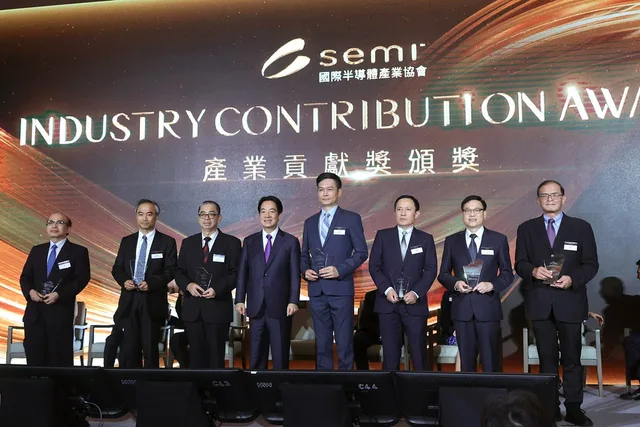
The island's participation in international organizations is subject to significant restrictions. In 2017, Taiwan again came to be excluded from the WHO even in an observer capacity. This exclusion highlights the difficulty of achieving full international integration despite economic importance.
The limitation of this situation is that political status often dictates the level of access to global health and security networks. While the semiconductor industry enjoys wide participation, other sectors face much tighter boundaries.
This creates a fragmented experience of being part of the global community.
| Organization | Designation Used |
|---|---|
| Asia-Pacific Economic Cooperation | Chinese Taipei |
| World Trade Organization | Separate Customs Territory of Taiwan, Penghu, Kinmen and Matsu |
- How does the Taiwan Semicon 2026 controversy impact local identity?
- What are the specific naming challenges in global forums?
- How is international participation managed?
Related

Comments 0