Taiwan Night Market Guide: 5 Essential Foods to Try Now
Looking for the soul of Taiwan? Follow the neon lights and the scent of sizzling garlic straight into the heart of a bustling night market.
Taiwan’s night markets are much more than just outdoor food courts; they are the living, breathing pulse of the island's culture. They offer an unmatched sensory experience where tradition meets modern street food innovation.
According to the Taiwan Tourism Administration's 2025 consumer spending report, "culinary and street food" remains the single largest expenditure category for international travelers, accounting for over 35% of total tourist spending.
* Regional Vibes: Taipei offers massive variety, Taichung leads in trendy fusion, and Kaohsiung delivers authentic coastal flavors. * Must-Eat Icons: Don't leave without trying Giant Fried Chicken (Jipai), authentic Bubble Tea, or Mango Shaved Ice. * Payment Reality: While digital wallets are growing, carrying small denominations of New Taiwan Dollars (TWD) is still essential for most stalls. * Pro Timing: Arrive before the 7:00 PM rush to snag a seat and avoid the heaviest crowds.
Why Are Night Markets So Central to Taiwanese Life?
The roots of these markets stretch back to humble beginnings, where small-scale vendors gathered late at night after daytime markets closed. As cities grew, these stalls evolved into vital social hubs.
They are places where neighbors connect and locals find high-quality meals at incredibly low prices. Economically, these markets serve as a powerhouse for local entrepreneurs and small business owners.
According to the Ministry of Economic Affairs' 2025 SME Development Update, night market districts contribute significantly to local employment, supporting thousands of micro-businesses across the island.
From a tourism perspective, they are Taiwan's most recognizable "brand." As global travel trends in 2025 shifted toward "hyper-local experiences," the government has doubled down on supporting these districts.
Sociologically, the night market is a great equalizer. You’ll see office workers in suits standing shoulder-to-shoulder with students and travelers, all sharing the same cramped plastic stools.
This sense of community creates an atmosphere that feels less like a commercial zone and more like a vibrant, open-air museum of daily life. It is where the real Taiwan happens.
Taipei vs. Taichung vs. Kaohsiung: Which Market Fits Your Style?
Because Taiwan’s geography influences its ingredients, the "vibe" changes depending on which city you are in. Choosing your starting point based on your palate is the smartest way to plan.
| Feature | Taipei | Taichung | Kaohsiung |
|---|---|---|---|
| Primary Vibe | Massive, diverse, & tourist-ready | Trendy, modern, & experimental | Local, gritty, & seafood-heavy |
| Top Markets | Shilin, Raohe, Ningxia | Fengjia | Liuhe, Ruifeng |
| Best For... | First-time visitors | Gen Z / Social Media Foodies | Adventurous local explorers |
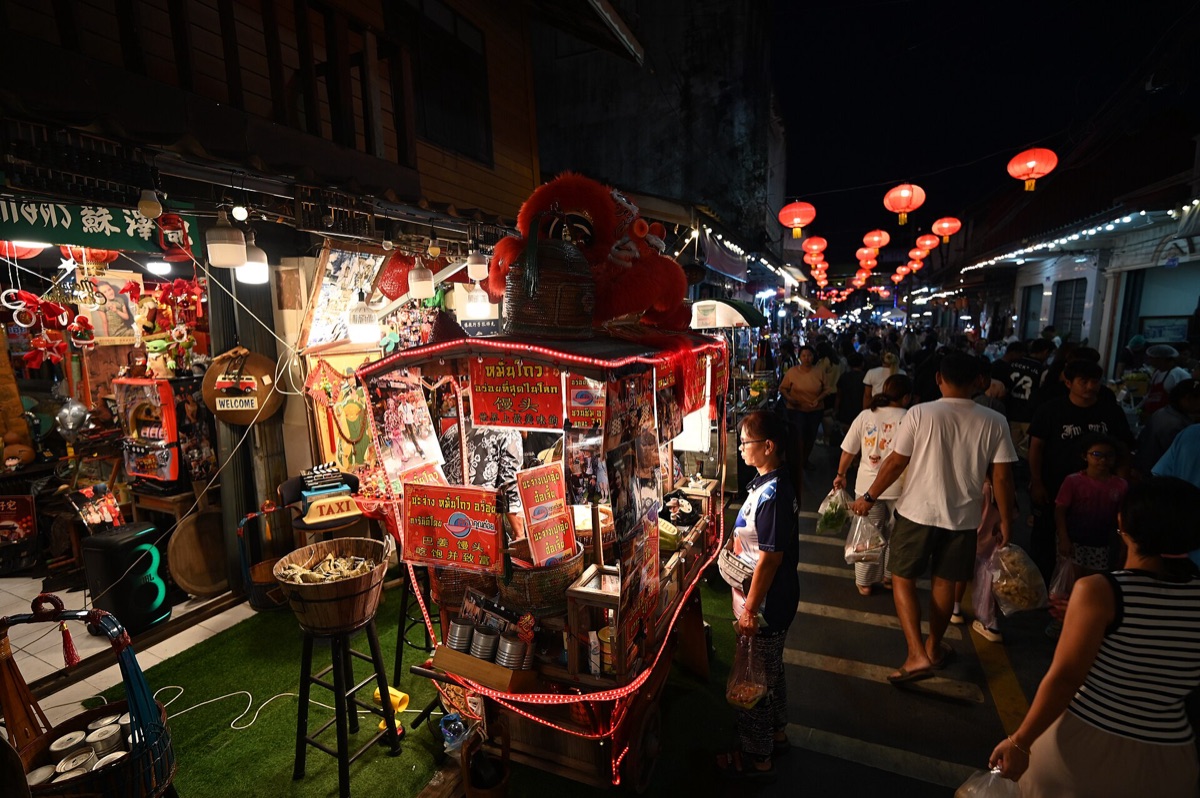
Taipei’s Shilin Night Market is an absolute behemoth. When I visited last month around 8:00 PM, the sheer wall of people and the glow of carnival game booths made it feel like a massive street festival.
On the other hand, Taichung’s Fengjia Market sits near several major universities. This means you'll find much more creative, "Instagrammable" fusion food there compared to older markets.
If you head south to Kaohsiung, prepare for incredible seafood freshness. According to the Kaohsiung City Government's 2026 Tourism Outlook, southern night markets are seeing a 15% increase in seafood-based culinary tourism.
The Ultimate Foodie Hit List: 5 Must-Try Dishes
If you only have one night, these are the five heavy hitters that define the Taiwanese street food experience.
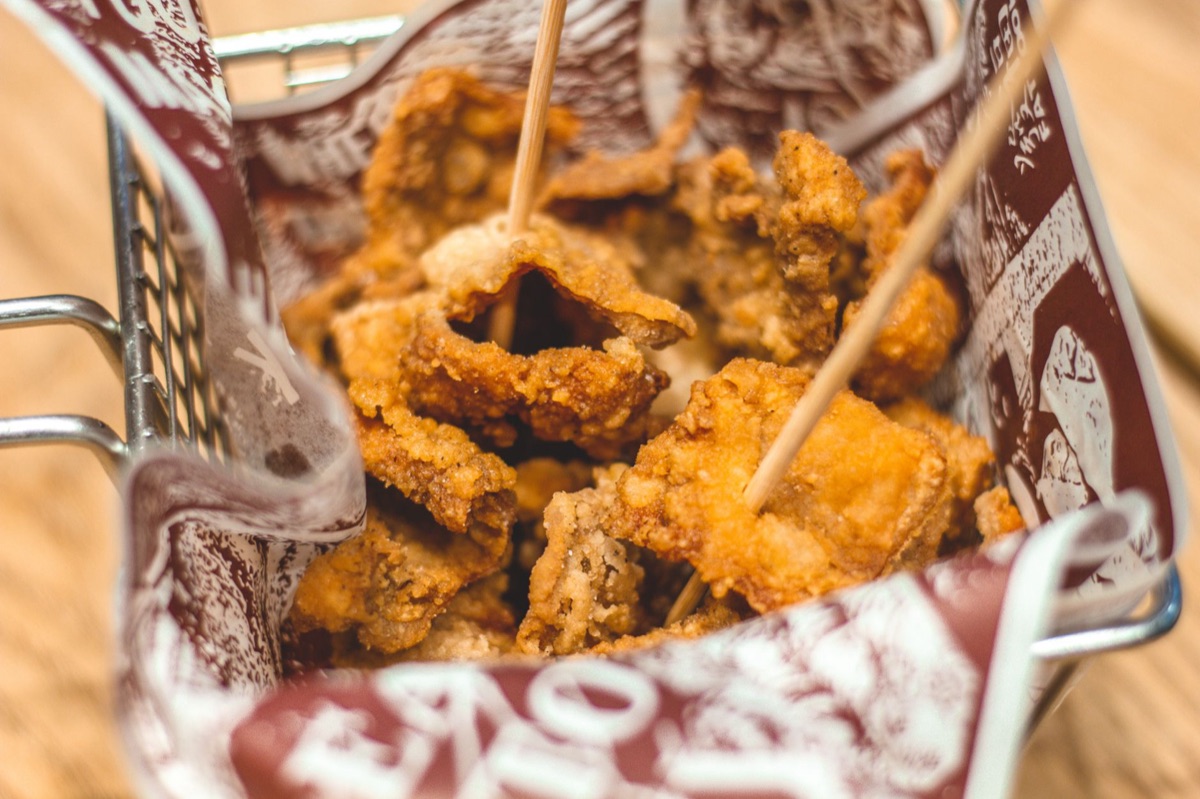
- Jipai (Giant Fried Chicken): This isn't your standard nugget; it's a piece of fried chicken often larger than a person's face. The crunch is legendary and seasoned with savory spices.
- Bubble Tea: The global phenomenon started here. Look for shops serving high-quality loose-leaf tea with chewy, fresh tapioca pearls.
- Beef Noodle Soup: While often eaten in restaurants, the night market versions offer a deep, soul-warming broth that is perfect for a late-night snack.
- Mango Shaved Ice: The ultimate palate cleanser. A mountain of fluffy ice topped with fresh mango slices is the perfect way to cool down.
- Oyster Omelet: A unique texture play involving starch, fresh oysters, and eggs, topped with a sweet-and-savory red sauce.
I still dream about the Oyster Omelet I had at Ningxia Night Market. The sound of the batter sizzling on the hot iron griddle was a sensory overload in the best way possible.
How to Navigate a Night Market Like a Pro
To ensure your night is delicious rather than stressful, follow this step-by-step preparation guide:
- Research via Google Maps: Check recent reviews and operating hours. Some smaller markets may have specific "off" days.
- Stock Up on Cash: Most vendors do not take credit cards. Ensure you have plenty of 50, 100, and 500 TWD notes.
- Pack a "Sanitation Kit": Bring hand sanitizer and wet wipes. Street food is delicious, but things can get sticky!
- The "Shared Plate" Strategy: Don't try to eat a full meal at every stall. Order small portions and share them with your group.
However, keep in mind that these environments can be overwhelming. The crowds are dense, so keep a firm grip on your wallet and phone.
Also, while most food is amazing, some items—like Stinky Tofu—have a very polarizing aroma. If you have a sensitive nose, it's wise to scout the area before committing to a stall.




Comments 0