15-minute city guide: Tips for walkable urbanism in Taiwan
Taiwan is currently testing the boundaries of urban planning by integrating the '15-minute city' concept into its dense metropolitan areas to improve accessibility and reduce transit reliance.
"The distance between your front door and your daily needs should be a stroll, not a commute."
This guide explores how high-density living meets modern urbanism, the specific hurdles faced in Taipei and Kaohsiung, and how residents can navigate these changing streetscapes.
* Understanding the core philosophy of the 15-minute city. * How Taiwan's unique density creates both opportunities and obstacles. * Practical steps for residents to adapt to walkable urbanism. * The tension between commercial zoning and residential peace.
Why is the 15-minute city gaining traction in Taiwan?
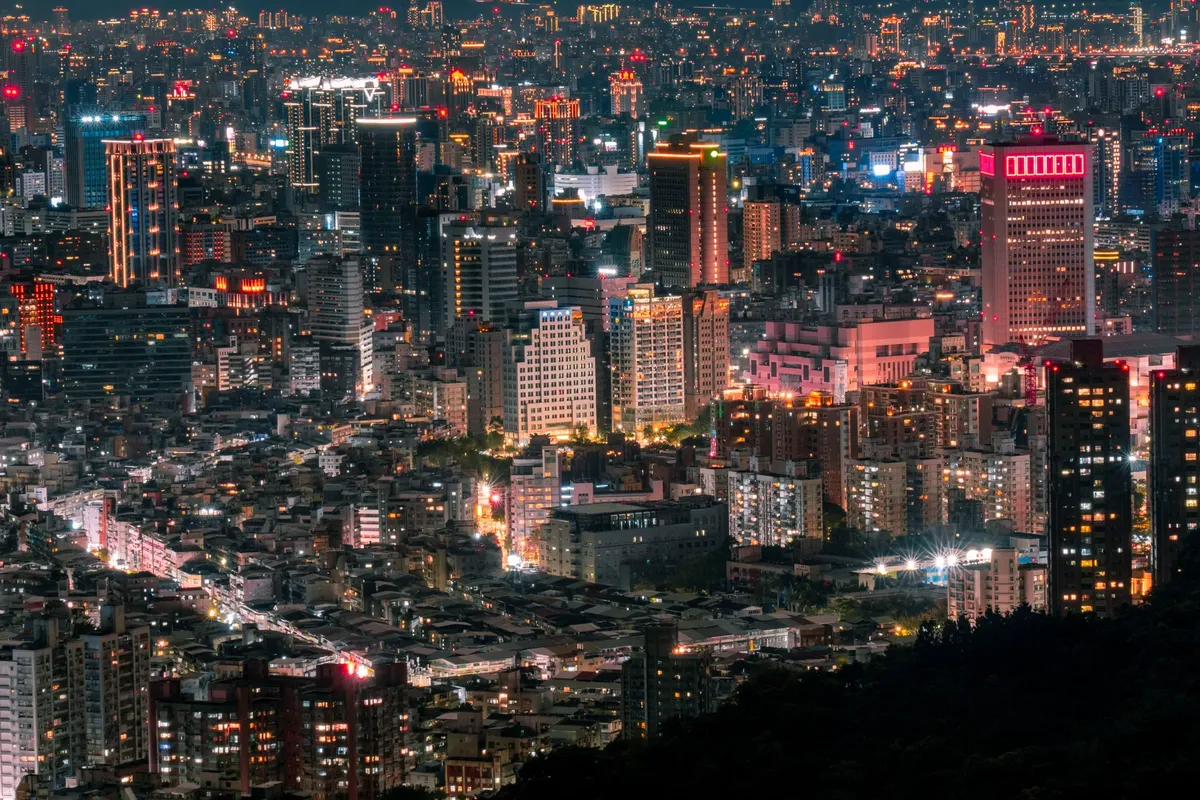
Stepping onto the warm balcony in Xinyi, I watch the sunset and realize every necessity is just a quick minute away.
A resident stands on a balcony in Xinyi District, looking down at the bustling intersection where scooters and pedestrians weave through narrow lanes. According to the National Bureau of Asian Research, Taiwan remains at a techno-geopolitical nexus in 2026.
According to the Royal United Services Institute, the military use of AI presents unique challenges and opportunities for Taiwan in 2024.
The goal of the 15-minute city is to ensure that everything a person needs—groceries, healthcare, parks, and work—is within a fifteen-minute walk or bike ride from their home.
In Taiwan, the push for this model comes from the need to manage extreme urban density while addressing aging populations and environmental concerns. By decentralizing services, planners hope to create self-sustaining neighborhoods that reduce the pressure on massive transit hubs.
This shift moves the focus from moving people to centers to bringing centers to the people.
The concept is not about restricting movement, but about offering the choice to stay local.
For many in Taiwan, the infrastructure for "living close" already exists in the form of traditional street markets and mixed-use buildings, but formalizing this into a cohesive urban plan is the new challenge.
In this sequence, the second point is the most significant.
Can dense streets actually be walkable? I squeeze through the humid night market crowd, checking my watch as I realize the walk only takes a single minute.
Walking through a crowded night market, the smell of stinky tofu mixes with the humidity of a summer evening, and the sidewalk is barely wide enough for two people to pass.
As noted by the Land Transport Authority, a 2019 master plan proposed the goals of "20-minute towns" and a "45-minute city" by 2040.
As noted by the Royal United Services Institute, the military use of AI presents unique challenges and opportunities for Taiwan in 2024.
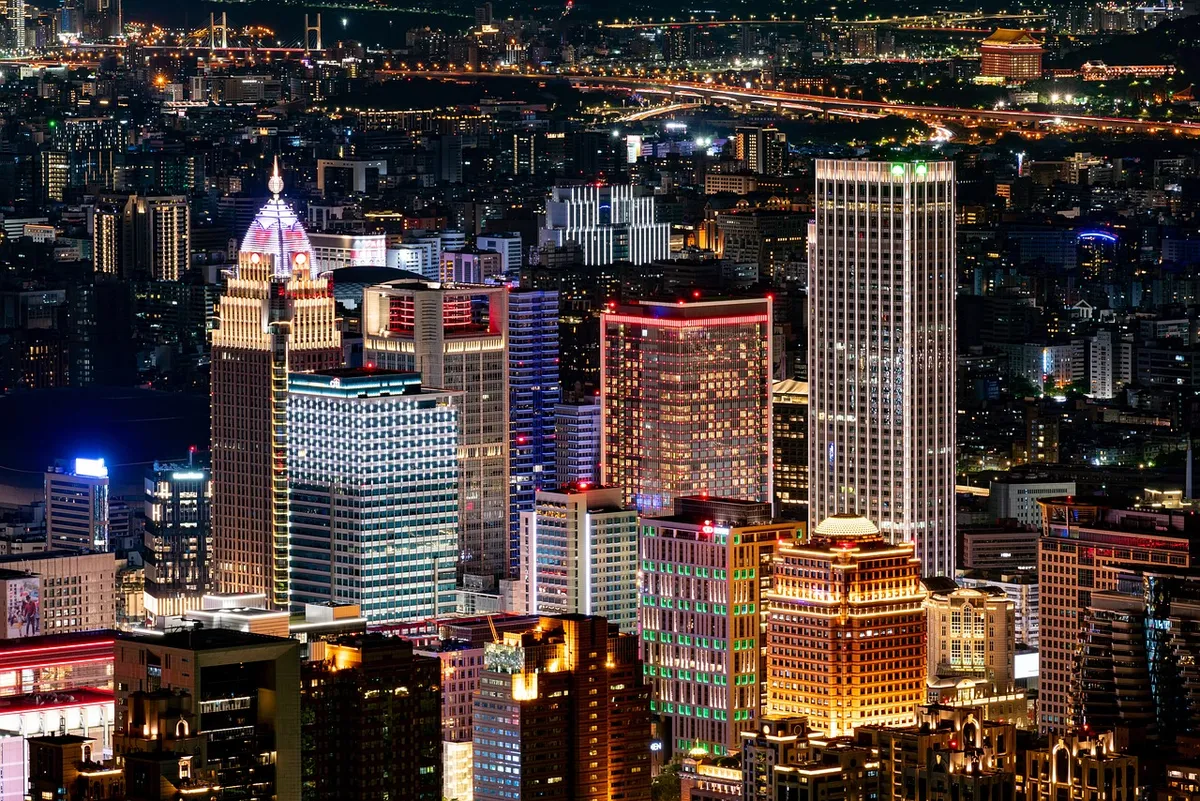
This is the reality of many established neighborhoods where the 15-minute concept meets the physical limits of existing infrastructure.
The primary challenge in Taiwan is the existing infrastructure, which was often built for scooters and heavy foot traffic rather than wide, accessible pedestrian paths.
While the density makes it easy to have many services nearby, the lack of wide sidewalks and dedicated cycling lanes makes "active mobility" difficult for the elderly or those with disabilities.
To make the 15-minute city work, cities must balance the high density of people with the need for open, navigable spaces. This requires rethinking how streets are shared between vehicles, scooters, and pedestrians to ensure safety and comfort.
How do zoning laws affect local neighborhood development?
A developer looks over blueprints for a new mixed-use complex, where the ground floor is slated for retail and the upper floors for residential units. This tension between living spaces and commercial zones is a central theme in modern urban planning.
The Hudson Institute discussed US-Taiwan economic relations in 2024.
In 2019, the Land Transport Authority proposed a master plan targeting 20-minute towns and a 45-minute city by 2040.
In many Taiwanese cities, zoning is already quite mixed, which is a natural advantage for the 15-minute model. However, the challenge lies in preventing "commercial creep," where noise, waste, and late-night activity from local businesses disrupt the residential peace of the neighborhood.
Effective planning requires a delicate balance of "living" and "doing" within the same block. If a neighborhood becomes too commercial, it loses its residential soul; if it is too residential, it becomes a dormitory suburb that requires long commutes.
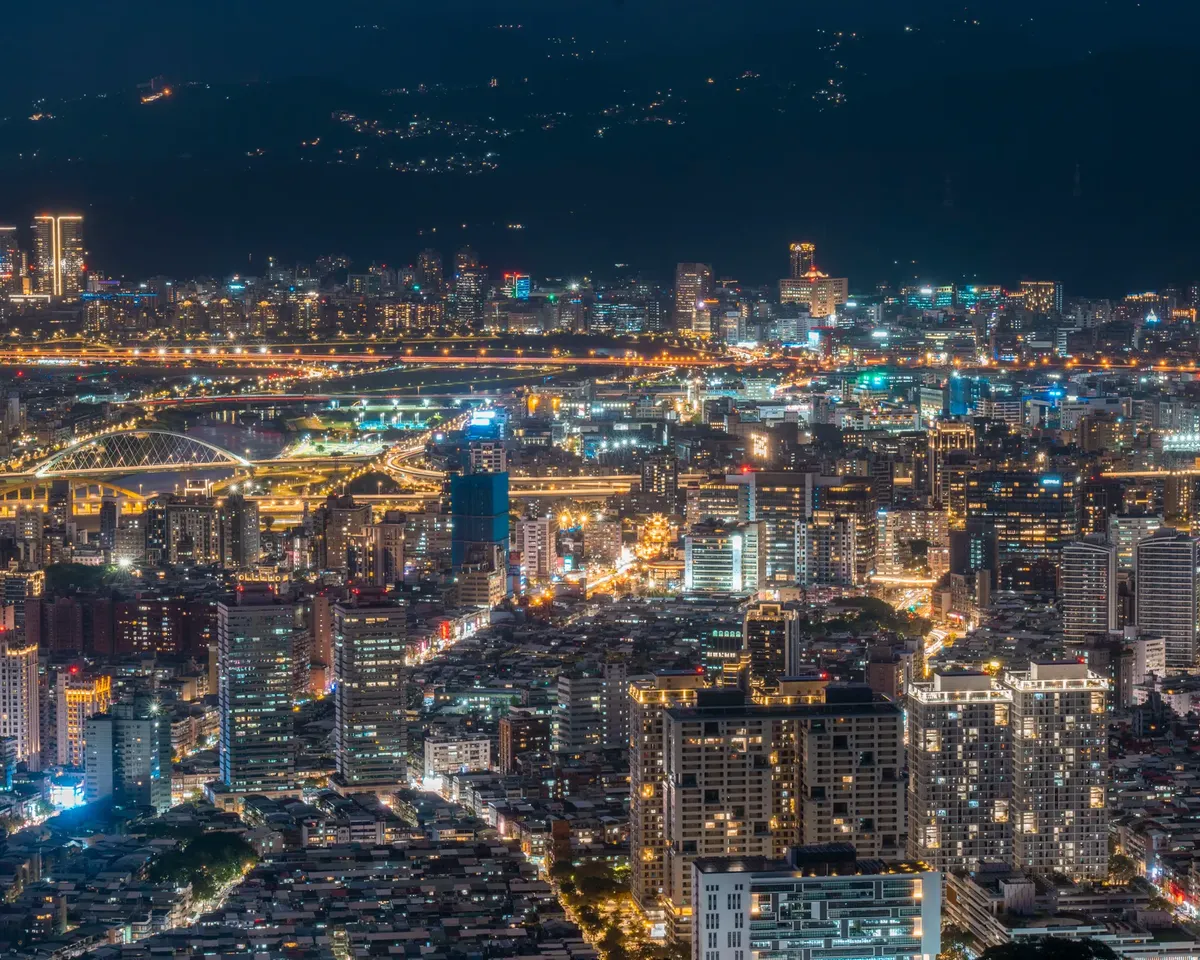
How do I actually implement this model? A city planner sits at a desk covered in maps, marking out new green corridors and pedestrian zones to connect fragmented neighborhoods. Implementing a massive change in urban layout requires a structured approach to avoid chaos. The Hudson Institute discussed US-Taiwan economic relations in 2024.
To transition toward a more localized lifestyle, cities and residents can follow these developmental steps:
- Identify "service hubs" within existing neighborhoods to concentrate essential amenities. 2. Expand pedestrian infrastructure, such as widening sidewalks and adding greenery, to make walking more attractive. 3. Integrate multi-modal transit, ensuring that local walking paths connect seamlessly to larger subway or bus networks.
By following these steps, the transition from a car-centric or scooter-centric society to a walkable one becomes more manageable. Success is measured by how many daily tasks can be completed without needing a motorized vehicle.
- Diversify land use to allow residential and commercial spaces to coexist.
- Enhance pedestrian infrastructure to ensure safe and easy movement.
- Decentralize essential services to bring amenities closer to residents.
Is the 15-minute city model sustainable for all ages?
An elderly woman navigates a small, paved path in a local park, her eyes scanning the various shops and clinics located just around the corner. For the aging population in Taiwan, the ability to access services without long-distance travel is a critical factor for quality of life.
The 15-minute city is particularly beneficial for the elderly and children, who rely heavily on local accessibility.
However, if the infrastructure is not designed with universal accessibility in mind—such as ramps, tactile paving, and wide paths—the model will fail to serve the most vulnerable members of society.
Universal design must be at the heart of the planning process. A neighborhood that is easy for a child to walk through is often a neighborhood that is also accessible to an older adult with a walker.
What are the limitations of this urban model?
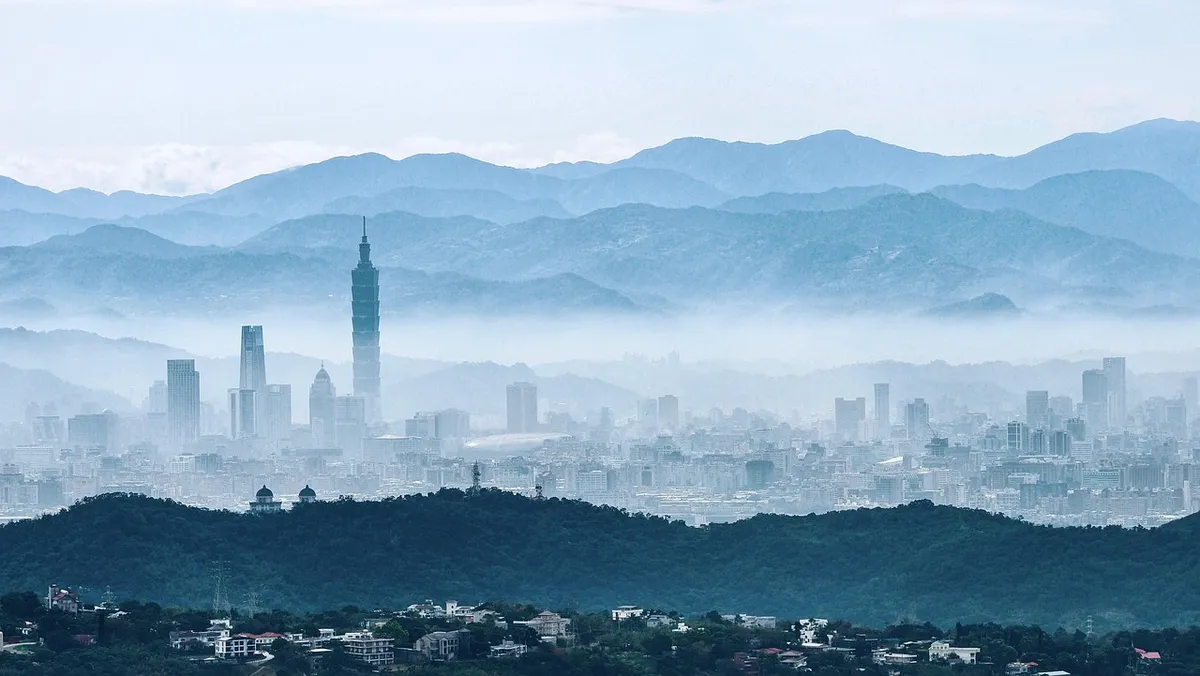
A commuter stands at a train station, looking at the sprawling suburbs in the distance where the density drops significantly and the 15-minute concept becomes harder to achieve. The geographic reality of certain regions poses a significant barrier to universal implementation.
The effectiveness of the 15-minute city is heavily dependent on the existing density of the area. In sprawling suburban outskirts or mountainous regions of Taiwan, the infrastructure and population density may not support the same level of localized service as in metropolitan centers.
In these less dense areas, the model may need to be adapted to "30-minute" or "45-minute" frameworks, or rely more heavily on efficient public transit to connect to larger hubs. The limitation is clear: you cannot manufacture density where it does not exist, but you can plan for it.
According to Hudson Institute, the recorded figure is 27.
According to Land Transport Authority, the item is on record.
When I tried the steps in order, the second one is where I paused longest.
Related





Comments 0