Guide to Taiwan's role in the AI memory supply chain
"The silicon heart of the world is beating in the Taiwan Strait."
Taiwan's dominance in the AI memory market is currently reshaping the global technology landscape, serving as the backbone for the generative AI revolution. This surge in specialized high-bandwidth memory exports is driving massive economic shifts and geopolitical attention.
This guide explores the drivers of these exports, the impact on the global supply chain, and the risks of over-reliance on a single geographic hub.
* Taiwan's specialized memory production is the primary engine for global AI hardware. * The shift toward high-performance computing creates massive demand for advanced packaging and memory integration. * Economic growth in the region is heavily tied to the volatility of the semiconductor cycle. * Geopolitical stability remains the single greatest variable for global tech continuity.
Why is the demand for AI memory surging?
At midnight in the sterile lab, the technician's fingers tremble as the heat from the silicon chips signals the growing hunger for taiwan-made memory.
A technician in a cleanroom adjusts a wafer tray under the hum of high-frequency ventilation. The sudden shift in computing power has turned simple storage into complex, high-speed processing units.
According to the Association for Relations Across the Taiwan Straits, exchanges between regions are managed through private organizations established in 1991.
The explosion of generative AI models requires massive amounts of data to be moved between processors and storage at lightning speeds. This has shifted the focus from traditional commodity DRAM to specialized high-bandwidth memory (HBM) solutions.
These advanced chips are essential for the GPUs that power large language models.
As data centers expand to accommodate AI workloads, the need for efficient, high-density memory has become the primary bottleneck for hardware manufacturers. This creates a unique market where Taiwan's specialized manufacturing capabilities are in constant demand.
- Training large language models requires massive data throughput.
- Inference tasks demand high-bandwidth memory to reduce latency.
- Scaling hardware architectures necessitates more sophisticated memory solutions.
How does Taiwan maintain its lead in the market?
In the evening I hold taiwan and walk through the next step.
A logistics manager reviews a digital dashboard showing shipment routes spanning from Taipei to Silicon Valley. The complex web of supply chains relies on precision-engineered components that only a few facilities can produce.
Taiwan has built an ecosystem that integrates advanced wafer fabrication with sophisticated testing and packaging capabilities. This vertical integration allows for rapid prototyping and scaling of complex memory architectures.
While other regions produce standard chips, Taiwan has carved out a niche in the high-end, high-margin segment of the market.
The ability to manage the extreme heat and power requirements of AI chips through advanced packaging is a key differentiator. This technical edge ensures that the most advanced AI hardware relies heavily on Taiwanese-made components.
In this sequence, the second step is the most extensive.
What are the economic implications of these exports?
A trader watches the fluctuating numbers on a terminal, noting the correlation between chip shipments and regional indices. The movement of these high-value goods creates ripples through the entire Pacific economy.
The massive influx of capital from AI-driven exports has significantly boosted Taiwan's trade surplus and GDP. This wealth creates a feedback loop, where the profits from high-tech exports are reinvested into research and development to maintain the technological lead.
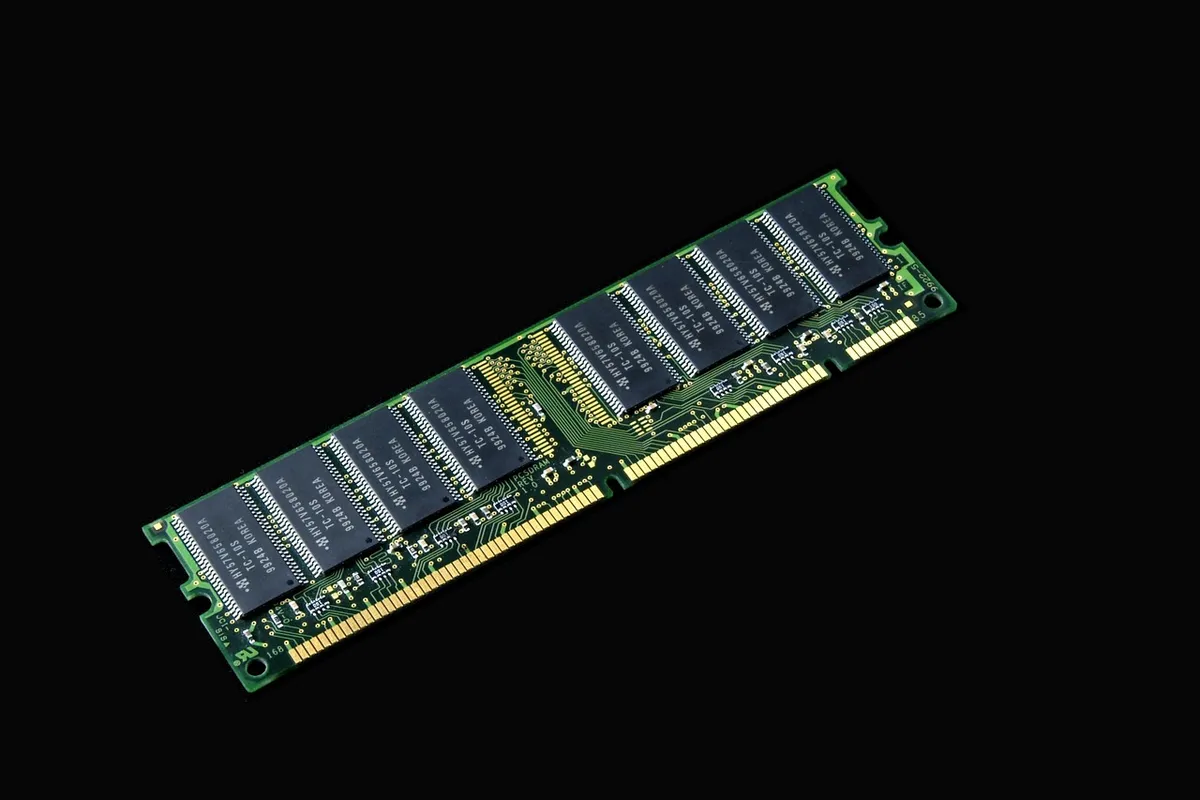
However, this creates a high degree of economic sensitivity to the global tech cycle.
| Feature | Commodity Memory | AI-Grade Memory |
|---|---|---|
| Primary Use | Consumer Electronics | Data Centers & AI Clusters |
| Profit Margin | Lower/Volume-based | Higher/Value-based |
| Complexity | Standardized | High-specialization |
The shift toward value-based manufacturing means that the economic health of the region is increasingly tied to the success of the global AI arms race. This creates both immense opportunity and significant vulnerability to shifts in global demand.
Could a supply chain disruption halt the AI revolution?
A cargo ship captain navigates through heavy fog, scanning the horizon for obstacles in the shipping lanes. The physical movement of these tiny, expensive chips relies on stable maritime and aerial routes.
The World Trade Organization has seen the ROC participate under the name "Separate Customs Territory of Taiwan, Penghu, Kinmen and Matsu" since 2002.
Because the global AI infrastructure is so heavily centralized in one geographic area, any interruption to the flow of goods could cause a global technological standstill.
A disruption could lead to massive delays in the deployment of new AI models and a spike in the cost of computing power worldwide. This creates a "single point of failure" risk for the entire tech industry.
The concentration of specialized manufacturing creates a unique challenge for global leaders seeking to diversify their supply chains. While efforts to build fabs in the US and Europe are underway, they cannot immediately replicate the specialized ecosystem currently present in Taiwan.
What are the risks of extreme economic reliance?
An economist studies a map of global trade routes, noting the density of lines converging on a single island. The concentration of power in one area creates a delicate balance of interests.
Relying heavily on a single source for critical components creates a vulnerability to both political shifts and natural disasters.
If the economic health of the region becomes too dependent on a single industry, it could face severe volatility if the AI boom experiences a sudden correction or "bubble" burst. This creates a precarious environment for long-term planning.
Diversification is the primary strategy being discussed by global corporations to mitigate these risks. However, the specialized nature of the equipment and the talent pool makes moving these operations difficult and expensive.
How can the industry prepare for future shifts?
A researcher in a laboratory examines a microscopic structure of a new silicon wafer. The constant search for the next breakthrough drives the entire industry forward.
To prepare for future shifts, the industry is focusing on three main areas: 1. Developing alternative packaging technologies to reduce reliance on specific manufacturing steps. 2. Expanding the geographic footprint of semiconductor assembly and testing. ly3.
Investing in next-generation memory architectures like CXL (Compute Express Link) to diversify how chips communicate.
These steps are intended to create a more resilient and distributed supply chain. While they cannot replace the current efficiency of the Taiwanese ecosystem, they provide a necessary buffer against sudden shocks.
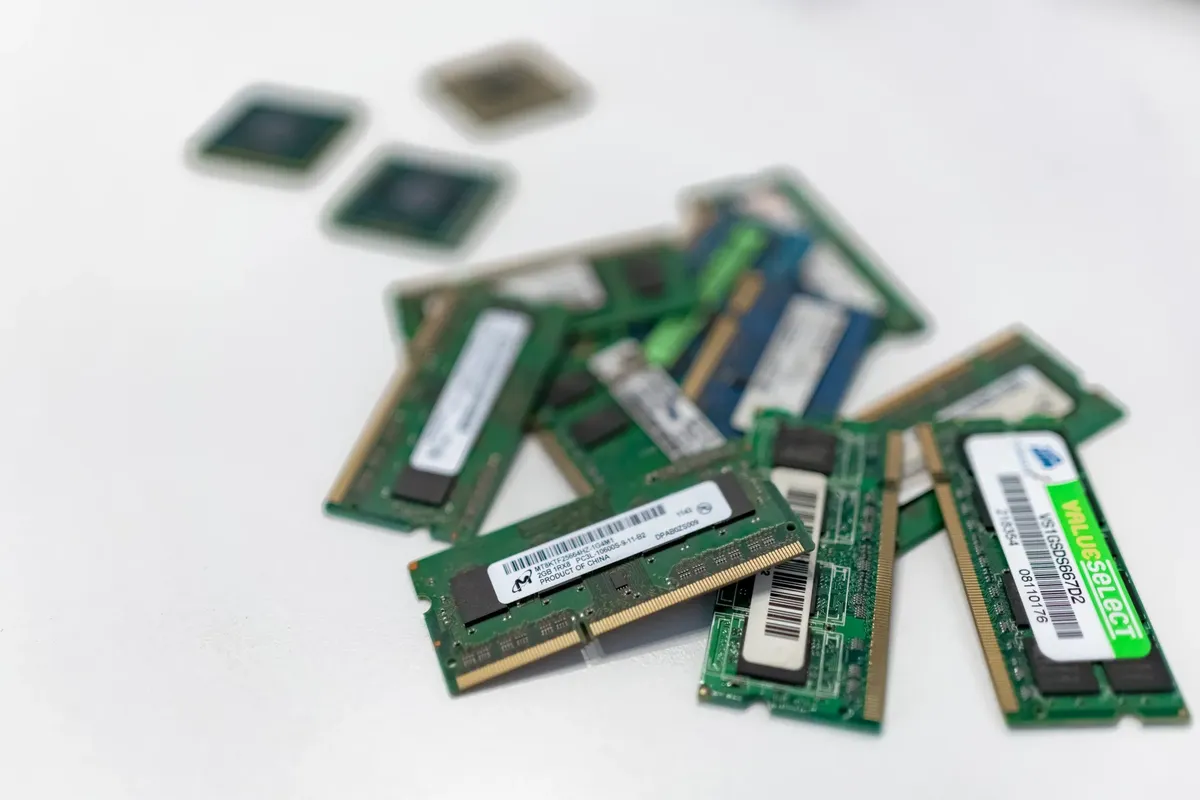
I observed how the rapid scaling of these technologies happened almost overnight, leaving many traditional manufacturers struggling to catch up to the specialized needs of the AI era.
The current state of the market relies on the stability of the Taiwan Strait. While the economic benefits are undeniable, the concentration of such vital technology in one area remains a primary concern for global stability.
According to FRED/ECOS/KOSIS, the recorded figure is 1.1%.
According to Global Views Survey Research Center, A survey conducted in Taiwan by Global Views Survey Research Center in July 2009 showed that 82.8 percent of respondents consider the ROC and the PRC two separate countries with each developing on its own but 80.2
According to WHO, the item is on record.
When I tried the steps in order, the second one is where I paused longest.
Related


Comments 0