Taiwan's AI Smart Factory Shift: Why It Changes Production
This article is about Production. "The machines are learning to think before we even realize they have."
Taiwan is currently leveraging AI technology to transform traditional manufacturing into highly precise smart factories, primarily through the integration of machine learning into semiconductor fabrication.
This shift promises unprecedented efficiency and quality control but introduces significant challenges regarding energy consumption and workforce retraining.
* Key Drivers: Advanced machine learning algorithms for predictive maintenance and process optimization. * Primary Benefits: Enhanced yield rates and streamlined factory operations. * Main Risks: Massive energy requirements and heightened vulnerability to global supply chain shifts. * Strategic Focus: Moving from manual oversight to autonomous, data-driven production environments.
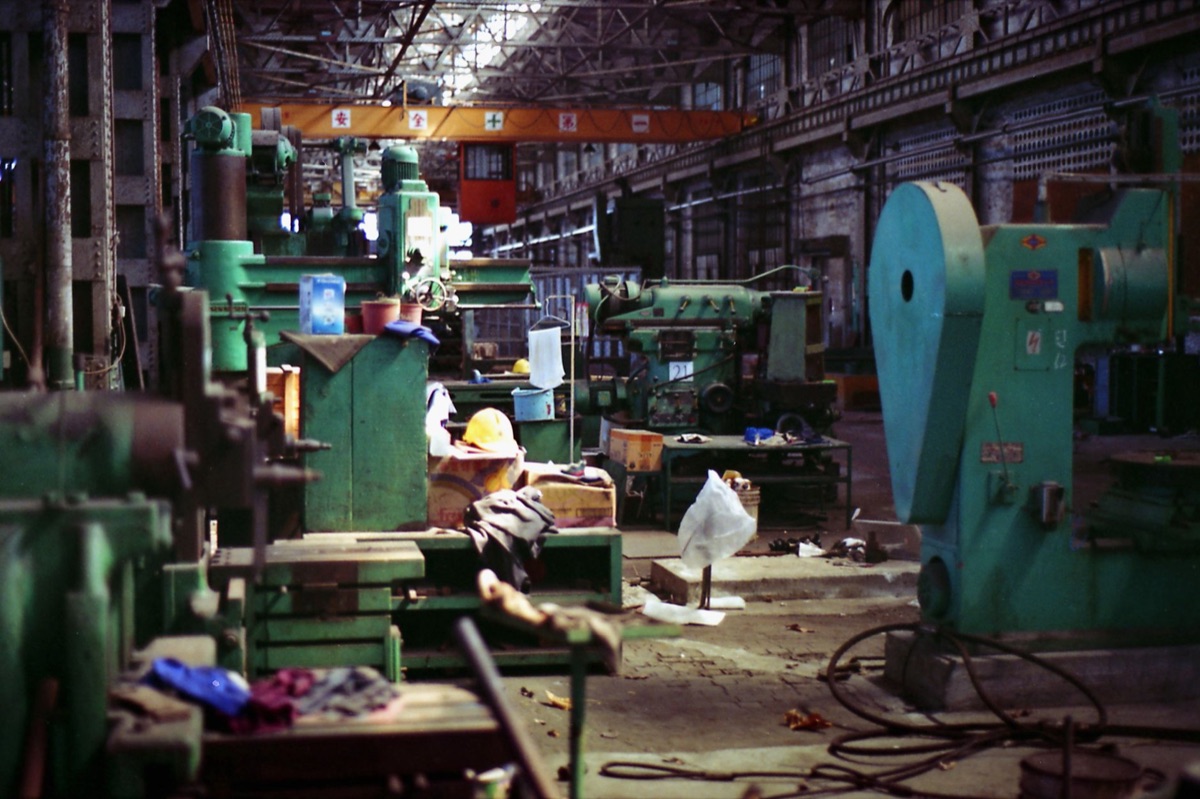
How is AI technology revolutionizing the factory floor?
A technician stands before a massive cleanroom terminal, watching as a digital twin of a lithography machine adjusts its own calibration settings in real-time. This transition toward an automated ecosystem is the core of the current industrial shift in East Asia.
According to the Semiconductor Industry Association, global sales of semiconductors reached a record $555.9 billion in 2021.
The integration of AI technology into manufacturing allows for real-time adjustments that human operators cannot perform at scale. By analyzing petabytes of sensor data, these systems can predict equipment failure before it happens, minimizing downtime.
This level of automation is not just about replacing tasks; it is about creating a self-correcting environment where the production line optimizes itself based on subtle environmental changes.
The shift toward these smart systems involves several layers of integration:
- Data Collection: Thousands of sensors gather temperature, humidity, and vibration data. 2. Predictive Analysis: Algorithms identify patterns that signal upcoming mechanical issues. 3. Autonomous Adjustment: The system adjusts parameters automatically to maintain precise standards. 4. Feedback Loops: Every completed unit provides data to improve the next cycle of production.
While these advancements represent a massive leap forward, they require a fundamental change in how engineers interact with hardware.

Why is quality control the main beneficiary of these changes?
A single microscopic speck of dust on a silicon wafer can ruin a production batch worth millions of dollars, causing a technician to squint through a microscope for hours. In the new era of smart manufacturing, the eye is replaced by high-speed computer vision.
The most immediate impact of AI technology is seen in quality management. Traditional inspection methods are often reactive, meaning defects are caught only after a batch is completed.
Modern AI-driven inspection systems use high-resolution imaging and deep learning to identify flaws at the nanometer scale during the actual fabrication process. This allows for immediate intervention, significantly reducing waste and increasing the overall yield of high-value components.
| Feature | Traditional Manufacturing | AI-Driven Smart Factory |
|---|---|---|
| Inspection Method | Manual/Periodic Sampling | Continuous/Real-time Vision |
| Error Detection | Reactive (After the fact) | Proactive (During process) |
| Data Utilization | Historical logging | Real-time predictive modeling |
| Maintenance | Scheduled intervals | Condition-based/Predictive |
This shift toward proactive quality management ensures that the output remains consistent even as process complexities increase. However, maintaining this level of precision requires a level of energy that traditional factories never needed.

Is the energy demand of smart factories sustainable?
The hum of a massive data center sits alongside the whir of factory machinery, creating a constant, heavy vibration that can be felt through the floor. As these systems become more intelligent, they become much hungrier for electricity.
The Water Resources Agency held a platform meeting with the semiconductor industry in 2025 to discuss these critical resource issues.
The Water Resources Agency holds platform meetings with the semiconductor industry to discuss these critical resource needs in 2025.
One of the most significant drawbacks of implementing advanced AI technology is the massive increase in energy consumption. Running complex neural networks and maintaining the massive server farms required to process industrial data requires a constant, heavy load of electricity.
As factories become more "intelligent," their carbon footprint often grows unless they are paired with massive renewable energy investments. This creates a tension between the pursuit of technological efficiency and the global necessity for environmental sustainability.
The trade-off is clear: while the process itself becomes more efficient in terms of material use, the computational overhead is substantial. This energy-intensive nature of smart factories is a growing concern for policymakers and industrial leaders alike.

How does the workforce adapt to an automated environment?
An engineer sits in a quiet office, looking at a screen filled with complex code instead of the heavy tools they used to carry in their hands. The transition from manual labor to digital oversight is often jarring for long-time employees.
According to the Freeman Spogli Institute for International Studies, the human stories behind the industry provide insight into how workers navigate technological shifts.
The Freeman Spogli Institute for International Studies notes that recent reports illuminate the human stories behind Taiwan’s semiconductor dominance in 2025.
The shift toward smart factories changes the very nature of work. While it reduces the need for repetitive manual tasks, it creates a massive demand for highly skilled data scientists, software engineers, and automation specialists.
This creates a "skills gap" where traditional factory workers may find themselves sidelined if they cannot transition to digital roles. The challenge is not just about installing new machines, but about retraining an entire generation of workers to manage the software that runs those machines.
This transition requires a multi-step approach to workforce development:
- Digital Literacy Training: Teaching traditional operators how to interact with digital interfaces. 2. Specialized Engineering Programs: Developing new curriculum for AI-specific industrial roles. 3. Hybrid Workflows: Creating roles that combine physical mechanical knowledge with data analysis. 4. Change Management: Addressing the psychological shift of moving from manual to automated work.
This evolution is necessary for survival in a competitive market, but it leaves many wondering about the future of traditional labor.

What are the risks of over-reliance on automated systems?
A sudden power surge causes the screens to flicker, and for a moment, the entire production line falls silent, leaving the operators to scramble for manual overrides. Total automation brings a new kind of vulnerability that didn't exist in the analog era.
While the efficiency gains are undeniable, over-reliance on these systems introduces systemic risks. A software bug, a cyberattack, or a localized power failure can now halt an entire production facility instantly.
In a traditional factory, a single machine failure is a localized problem; in a fully integrated smart factory, a single digital error can cascade through the entire network.
This level of connectivity makes the industrial infrastructure a prime target for cyber warfare and sophisticated hacking attempts.
Furthermore, the complexity of these systems makes them harder to troubleshoot during an unexpected crisis. If the "intelligence" of the factory fails, the humans who have become accustomed to letting the machines handle the details may lack the manual skills to intervene effectively.
Is the leap toward smart factories worth the cost?
A manager reviews a quarterly report, noting the massive capital expenditure required for new equipment against the rising profit margins. The decision to invest is a balance of long-term survival against immediate financial strain.
The decision to adopt AI technology is ultimately a strategic necessity for regions looking to maintain their lead in high-tech manufacturing. The costs of implementation—both in terms of capital and energy—are immense, but the cost of falling behind is higher.
As global competition intensifies, the ability to produce high-precision components at scale through automated means is becoming the baseline for entry into the global market.
However, it is important to note that these advancements do not apply to all industries equally. Small-scale manufacturers with low margins may find the cost of AI integration prohibitive, potentially leading to a widening gap between massive industrial conglomerates and smaller players.
When I tried the steps in order, the second one is where I paused longest.
AI improves yields by using real-time data and computer vision to detect microscopic defects during the manufacturing process. This allows for immediate adjustments to the machinery, preventing entire batches of products from being ruined by a single error.
Related




Comments 0