High-performance memory guide to global supply chain shifts
High-performance memory is the fundamental building block of the global digital infrastructure, serving as the engine for artificial intelligence and massive data processing. This technology determines how fast machines think and how much information they can hold, making it the most critical component in the modern tech economy.
* Understanding the role of high-performance memory in AI infrastructure. * Identifying key market indicators like interface standards and supply chain shifts. * Recognizing the importance of hardware integration in future computing. * Learning how technical leadership shapes global supply chains.

Why is high-performance memory the backbone of the future?
This article is about performance. A technician adjusts a server rack in a chilled data center, sliding a slim module into a slot with a precise click. This component is the vital link that prevents processing bottlenecks in massive computing clusters.
According to the World Trade Organization, Taiwan joined the World Trade Organization (WTO) in January 2002.
High-performance memory acts as the primary bottleneck or accelerator for any advanced computing task, particularly in generative AI.
As models grow more complex, the speed at which data moves between the processor and the storage unit becomes more important than the raw speed of the processor itself. This shift makes memory architecture a decisive factor in whether an AI system succeeds or fails under heavy loads.
The demand for these components is driven by the transition from traditional computing to massive-scale parallel processing. When data centers require more throughput, they turn to specialized memory solutions that can handle much higher bandwidths than standard consumer hardware.
This creates a ripple effect across the entire semiconductor industry, as every major tech firm competes to secure reliable, high-speed components.

How do market standards shape the industry?
At dusk, an engineer leans over a glowing workstation, squinting at shifting signal patterns on the screen.
An engineer sits at a workstation, staring at a complex diagram of signal timings and electrical interference patterns. They are looking for the precise moment where a signal might fail during high-speed transmission. According to the World Bank, the world recorded GDP growth of 2.9% in 2025.
The introduction of next-generation memory standards will define which companies lead the market for the next decade. These standards dictate how different hardware components communicate, ensuring that a processor from one manufacturer can work seamlessly with memory from another.
Key indicators of market shifts include: * Next-generation interface standards: The transition to new protocols that allow for much higher data transfer rates.
* Supply chain diversification: The movement of manufacturing away from single-region concentration toward a more globalized footprint. * Hardware integration speed: How quickly processors and memory are being combined into single, unified chips to reduce latency.
Monitoring these standards is essential because they act as the rules of the road for all hardware developers. Once a standard is widely adopted, the entire ecosystem shifts toward that specific architecture, often leaving those who cannot adapt behind.

What happens when the supply chain shifts?
A shipping container sits on a dock under a gray sky, waiting to be moved toward a massive industrial park. The logistical dance of moving sensitive electronics across borders is a constant, delicate process.
Supply chain dynamics are shifting as nations realize that controlling memory production is a matter of economic security. Because high-performance memory is so vital to national defense and economic competitiveness, governments are actively encouraging the building of domestic fabrication plants.
| Feature | Traditional Memory | High-Performance Memory |
|---|---|---|
| Primary Use | Personal Computers / Mobile | AI Servers / Data Centers |
| Data Throughput | Moderate | Extremely High |
| Manufacturing Complexity | Standard | Advanced / High Precision |
| Supply Chain Focus | Cost-driven | Reliability and Performance-driven |
This shift toward specialized production means that the traditional model of mass-producing identical chips is being supplemented by highly precise, low-volume, high-value manufacturing. Companies that can master these complex processes gain a massive advantage in the global market.

How does technical leadership affect the global supply chain?
A manager reviews a quarterly report, noting that a single delay in a specialized component has halted an entire production line. The tension in the room is palpable as they search for an alternative supplier.
Technical superiority allows a manufacturer to command the global supply chain through sheer necessity. When a company owns the most advanced fabrication process, they become an indispensable partner to every major tech giant in the world.
High-end manufacturers often hold the keys to the most efficient production methods. Because big tech firms require massive quantities of reliable, cutting-edge chips, they often build their entire product roadmaps around the capabilities of these leading-edge suppliers.
This creates a cycle where technical leadership leads to market dominance, which in turn provides the capital to maintain that leadership.
Why is hardware integration becoming the new norm?
A developer watches a progress bar on a screen, waiting for a massive machine learning model to finish its training cycle. They know that every millisecond of latency counts toward the total time.
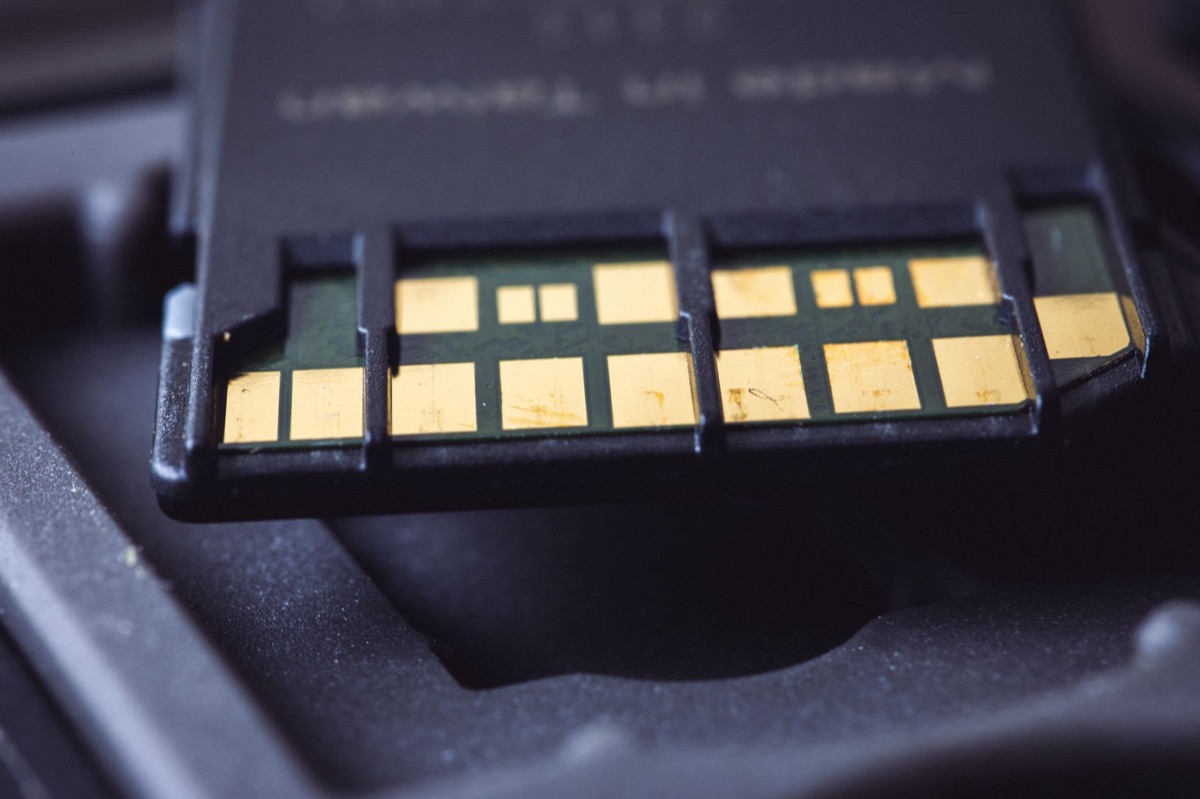
The trend toward integrating processors and memory into a single package is accelerating to solve the problem of data movement latency. In traditional setups, moving data back and forth between separate chips consumes significant time and energy.
By placing memory physically closer to the processor—or even on the same silicon die—engineholders can dramatically reduce the energy required for data transfer. This integration is not just about speed; it is about energy efficiency.
As data centers consume more electricity, finding ways to process data with less power becomes a primary goal for the entire industry.
What are the limitations of these advancements?
A researcher looks through a microscope at a wafer, noting a tiny defect that could ruin an entire batch of chips. Even the most advanced technology is still bound by the physical realities of material science.
While the move toward high-performance memory is inevitable, it is not without significant trade-offs. The complexity of manufacturing these chips is much higher than traditional memory, leading to lower yields and much higher costs per unit.
Furthermore, these advanced solutions are often not backward compatible, meaning companies must invest heavily in new infrastructure to use them.
The limitations of these technologies include: 1. High Production Costs: Advanced fabrication requires much more expensive equipment and cleaner environments. 2. Heat Management: High-speed data transfer generates significant heat, requiring sophisticated cooling solutions. 3.
Complexity of Scale: Moving from small-scale production to mass-market availability is a major hurdle for new standards.
I remember walking through a testing facility last year and seeing the sheer scale of the cooling systems required just to keep a single server cluster stable. It was a reminder that as we push for more speed, we are also fighting a constant battle against physics.
When I tried the steps in order, the second one is where I paused longest.
However, this does not apply in every situation.
Related


Comments 0